As product managers, we thrive on solving real-world problems through innovative solutions. One project that stands out as a prime example of this approach is the Customizable Project Management Tool for Residential Contractors—a platform designed specifically for contractors managing residential construction projects.
The Problem
In the residential construction industry, managing a project involves a lot of moving parts—schedules, budgets, communication with clients, managing teams, and keeping everything organized. However, many general contractors rely on a mix of disconnected tools: spreadsheets, emails, and manual tracking. This leads to inefficiencies, missed deadlines, cost overruns, and poor communication.
The challenge was clear: contractors needed a single platform that could manage all aspects of a construction project, be it planning, budgeting, task management, or communication. This would allow them to streamline their workflow and significantly reduce the complexity of managing multiple tools.
The Solution
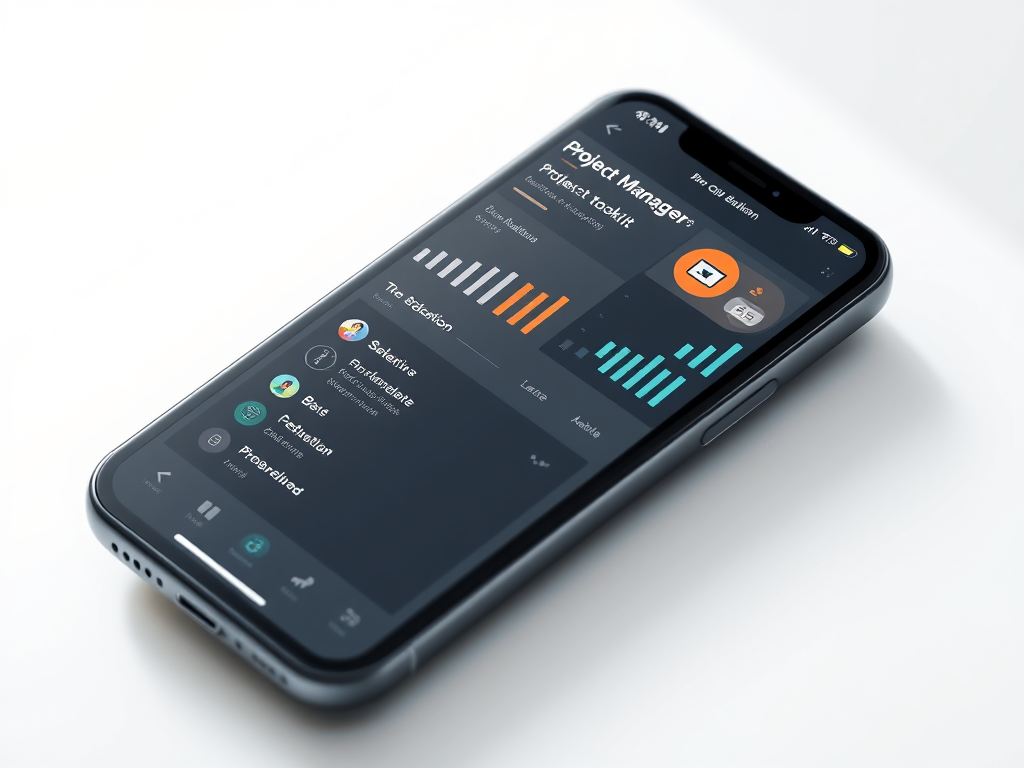
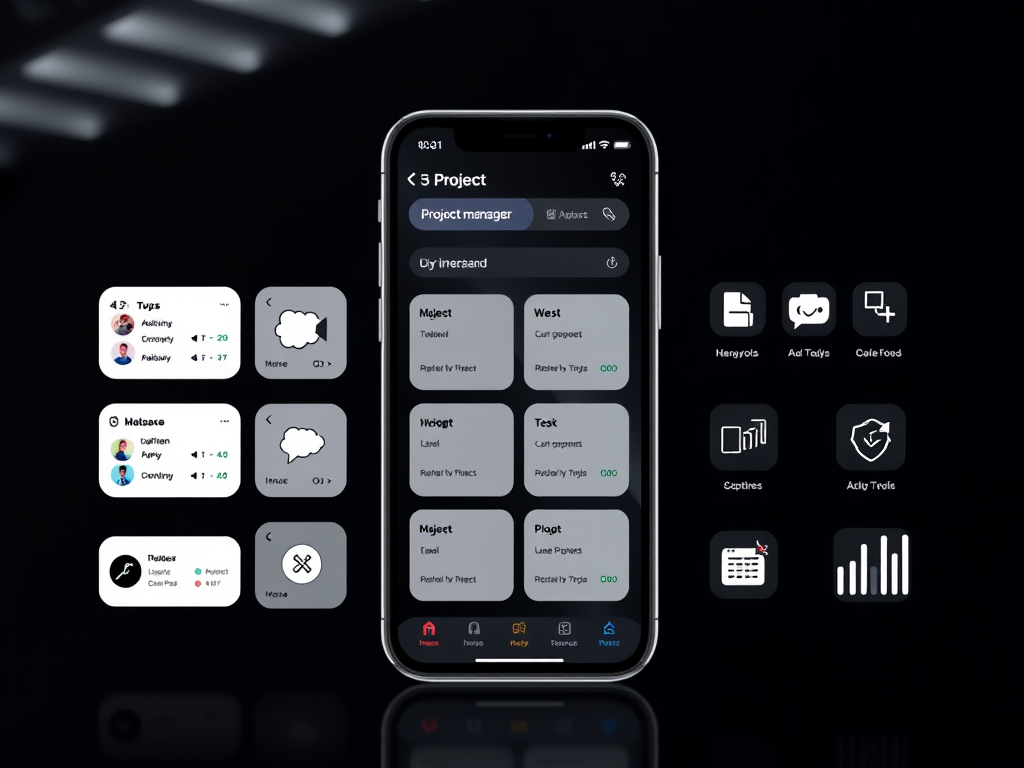
The solution we developed was a customizable project management tool built from the ground up to address the unique needs of residential contractors. The platform combines powerful task management with budgeting, team communication, and client updates, all in one user-friendly interface. The key features included:
- Task Management with Timelines and Dependencies: Contractors can easily create tasks, set deadlines, and track progress in real-time.
- Budget Tracking and Cost Management: With an integrated budget tracker, users can stay on top of expenses and prevent cost overruns.
- Integrated Communication Channels: The platform offers seamless communication tools for teams and clients, ensuring everyone stays on the same page.
- Customizable Templates: The platform includes templates tailored to different types of projects, making it adaptable to various client needs.
My Role
As the Lead Product Manager, I was responsible for overseeing the product development from start to finish. This involved everything from gathering user feedback and prioritizing features to working closely with the engineering and UX/UI teams. I ensured that the product met both the technical requirements and the user experience expectations of our target audience—general contractors and construction project managers.
Throughout the process, I collaborated with a multidisciplinary team, leading user testing sessions to refine the product and validate our assumptions. By constantly iterating based on feedback, we developed a product that truly addressed contractors’ pain points and enhanced their workflow.
Results and Impact
The impact of the product was immediate. After the launch, we saw a rapid adoption rate within the construction community. The platform quickly became a go-to solution for contractors looking to streamline their project management process. Key outcomes included:
- $5 million in recurring annual revenue generated within the first year.
- 50% reduction in project delays reported by users, resulting in faster project completions and happier clients.
- 35% improvement in budget adherence, helping contractors better manage costs and reduce financial risk.
- 10,000+ active users within the first six months, demonstrating strong product-market fit.
- $50 million in total cost savings across the first year for contractors by reducing inefficiencies and improving project oversight.
These results didn’t just reflect the success of the product; they also showcased the tangible value we were able to bring to the construction industry.
Lessons Learned
This project reinforced several key lessons in product management:
- User-Centered Design: The most successful products are those that are deeply rooted in user needs. Constant communication with our target users allowed us to iterate and create a solution that truly solved their pain points.
- Adaptability: The ability to customize the platform to fit different project types gave us a significant edge. Every construction project is unique, and offering flexibility was crucial.
- Iterative Development: No product is perfect at launch. We focused on rapid iteration based on feedback and real-world testing, which helped us refine the product and add value with each update.
Conclusion
The Customizable Project Management Tool for Residential Contractors became a benchmark in my career as a product manager. Not only did it deliver a highly successful product, but it also provided immense value to a traditionally underserved industry. This project exemplifies the power of combining user insights, technical expertise, and thoughtful design to create solutions that transform industries and drive business success.
As a result of this tool, we didn’t just improve contractor efficiency—we helped them save time, reduce costs, and deliver projects with greater precision and satisfaction. This project will always be a highlight in my product management journey, and it continues to inspire my approach to problem-solving and innovation.
 Henry Philipson