QR Scanner for Construction and Residential Contractors to Access Updated Plans
In the fast-paced world of construction, the key to project success often hinges on ensuring that everyone on-site is working from the most up-to-date plans. Whether it’s architects, contractors, or consultants, outdated drawings can lead to costly mistakes and delays. This is the challenge we set out to solve with a QR scanner tool that allows contractors and construction teams to access the latest project plans instantly and directly from their mobile devices.
The Problem
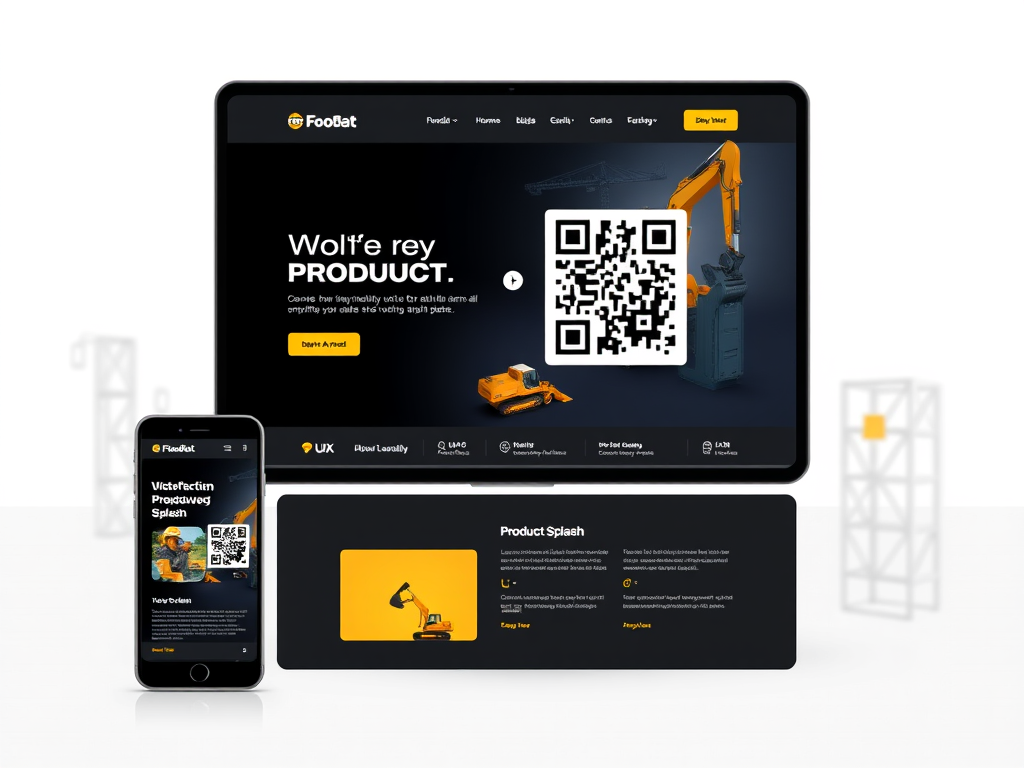
Construction projects are notorious for changes in scope and design. When changes occur—whether it’s a minor tweak or a major redesign—new plans need to be distributed and accessed immediately by all parties involved. In traditional setups, contractors often rely on printed plans or digital files shared across different platforms, which can lead to confusion and miscommunication. The risk of working from outdated plans can result in costly errors, delays, and disputes.
The solution? A digital system that integrates seamlessly into the day-to-day workflow of contractors, ensuring that they always have access to the most current plans—anytime, anywhere.
The Solution
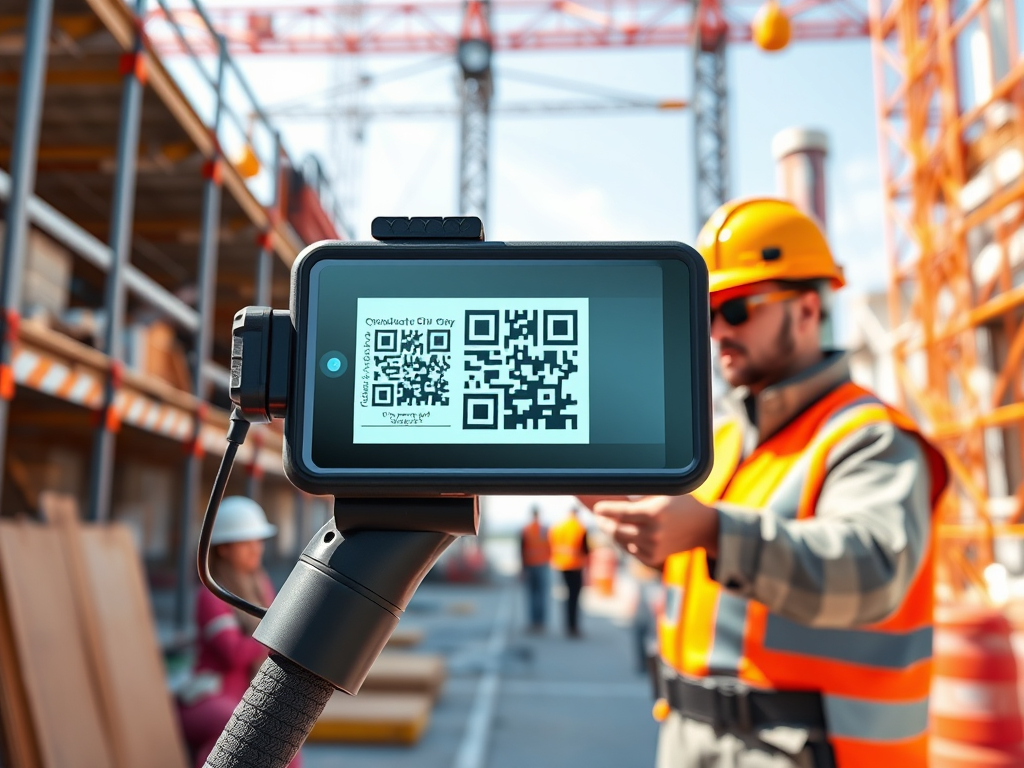
We developed a QR scanner tool designed specifically for residential contractors, enabling them to scan a QR code on-site and instantly pull up the most up-to-date project plans from their mobile devices. The beauty of this solution lies in its simplicity and ease of use, eliminating the need for contractors to sift through emails, shared drives, or physical plans.
Key features of the tool included:
- Instant Access to Updated Plans: With a simple scan, contractors can access the most current plans and drawings, ensuring they’re always working with the latest information.
- Seamless Integration with Project Management Software: The tool was designed to integrate with the construction company’s existing project management systems, allowing for automatic updates whenever plans are changed.
- Mobile-Friendly: The QR scanner works on both Android and iOS devices, making it easy for on-site teams to access plans on their smartphones or tablets.
- Tracking and History: The tool keeps a log of all accessed plans, enabling users to track who viewed which plans and when—useful for accountability and quality control.
My Role
As Lead Product Manager, I was responsible for ensuring the QR scanner tool met the needs of the construction industry while maintaining a user-friendly design. I worked closely with engineers to integrate the tool with existing construction project management systems, and with UX/UI designers to ensure the mobile app interface was intuitive for a non-tech-savvy audience.
From gathering feedback with contractors to conducting user testing on the mobile interface, I was directly involved in shaping the product’s direction, balancing functionality with ease of use. I also worked with our legal and compliance teams to ensure the tool met all industry standards for safety and privacy, especially concerning access to sensitive construction data.

Results and Impact
The QR scanner tool was met with immediate success upon launch. Contractors and construction teams were able to significantly improve the way they accessed updated plans, reducing the chance of working from outdated information and increasing on-site efficiency. The results were impactful:
- $3 million in additional revenue generated from partnerships with construction firms who adopted the tool for their project teams.
- 75% reduction in plan-related errors, with contractors reporting fewer costly mistakes due to having access to the latest project versions.
- 50% faster plan distribution: Updates were pushed directly to the teams, reducing the time it took to get new plans into contractors’ hands from days to mere seconds.
- 20% improvement in on-site efficiency due to less time spent searching for and verifying the right plans.
- 1,500+ active users in the first six months, highlighting the strong adoption of the tool in the construction sector.
- $25 million in cost savings reported across all adopters by reducing costly errors and inefficiencies linked to outdated plans.
These numbers represented not only a successful product launch but also clear evidence that our solution was delivering real, measurable value to construction teams.
Lessons Learned
This project provided several key insights that shaped my approach to product management:
- Simplicity Equals Adoption: Contractors in the field have limited time and are often not tech-savvy. Creating a simple, intuitive tool that could be used without training was key to ensuring high adoption rates.
- Continuous Feedback Loop: Engaging directly with users on the ground—contractors, foremen, and construction managers—helped ensure the product stayed aligned with their needs. Regular feedback was essential for iterating and improving the tool.
- Mobile-First Design: The construction industry is mobile by nature. Designing a mobile-first solution ensured the product fit seamlessly into the daily workflow of contractors and site managers, who spend the majority of their time on-site.
Conclusion
The QR scanner tool for contractors was a game-changer for the construction industry. It simplified the process of accessing the latest project plans, improved communication, and significantly reduced costly errors. The product’s success demonstrated the power of solving real industry problems with simple, efficient technology.
As a product manager, this project highlighted the importance of user-focused design and the value of integrating feedback throughout the development process. The tool didn’t just improve the efficiency of individual contractors—it revolutionized how the entire industry could manage projects and access critical information, saving millions of dollars in the process.
This project will always be a proud milestone in my career, not just because of the value it created, but also because of the profound impact it had on the construction professionals who adopted it.

 Henry Philipson