Sustainability in Residential Construction through Power BI and Data Analytics
As the world increasingly focuses on sustainability, the construction industry has faced pressure to reduce its environmental impact while maintaining efficiency and profitability. Residential construction, in particular, presents an opportunity to integrate energy-efficient solutions and sustainable practices, but tracking and managing these efforts can be a daunting challenge. This is where the power of data analytics—specifically, using Power BI—came into play. By leveraging data, we could uncover insights, identify areas of waste, and optimize sustainability initiatives, ultimately generating significant savings for the entire industry.

The Problem
Residential construction is a resource-intensive industry that consumes vast amounts of energy and materials. From design to construction to long-term energy use, homes and buildings have a significant environmental footprint. Traditionally, these impacts were tracked in silos, with different teams using disconnected systems to manage everything from energy consumption to material waste.
The need was clear: how could we use data to track sustainability initiatives, streamline operations, and optimize energy usage across the entire construction lifecycle? More importantly, how could we turn that data into actionable insights that could drive real cost savings and environmental benefits for contractors and homeowners?
The Solution
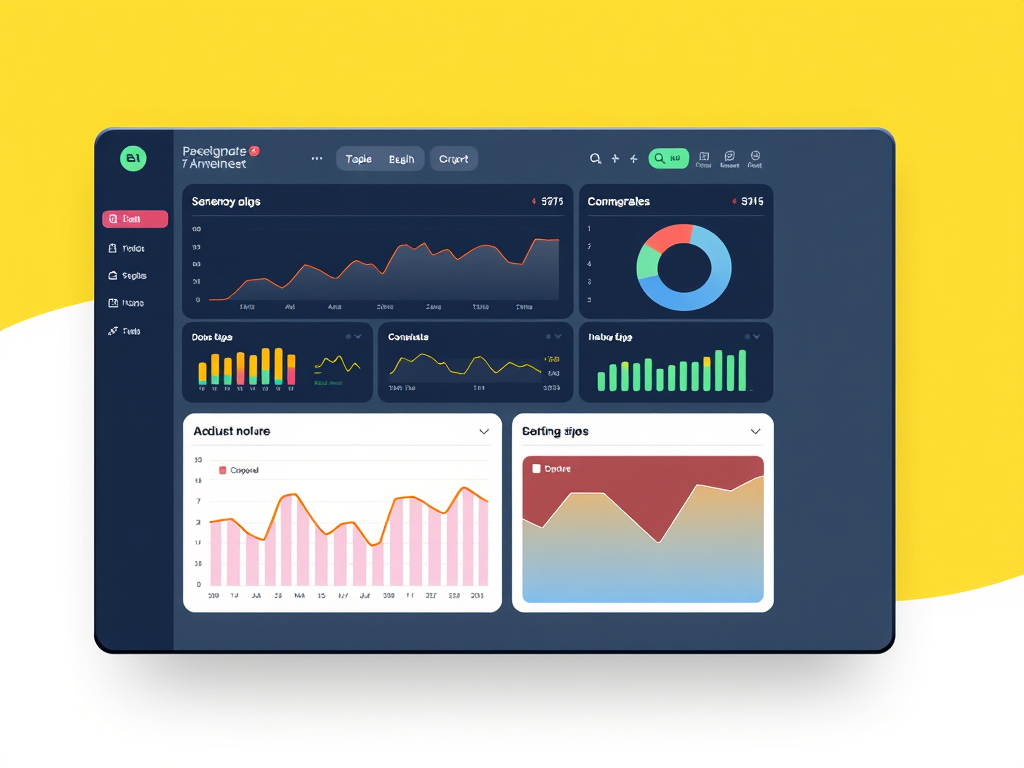
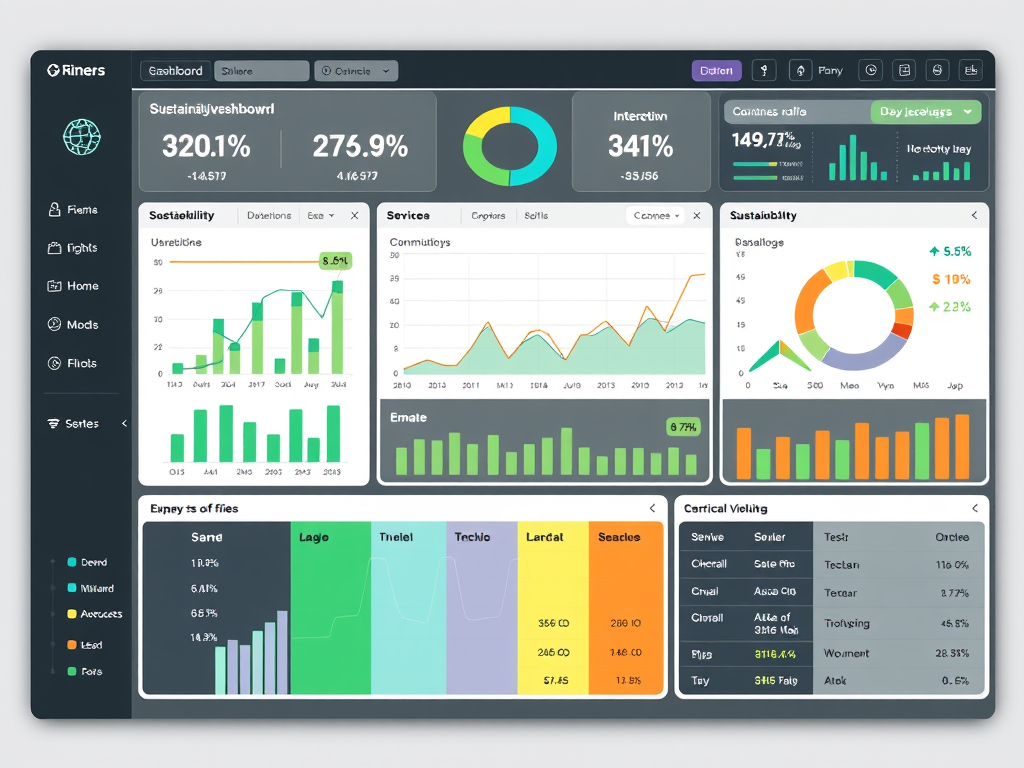
We built a sustainability dashboard using Power BI and integrated data analytics tools to provide real-time visibility into key performance metrics related to energy efficiency, material waste, and project carbon footprints. The dashboard was designed to help residential contractors and project managers track their sustainability goals, monitor progress, and make data-driven decisions that would reduce costs and environmental impact.
Key features of the solution included:
- Energy Consumption Tracking: Contractors could track energy usage for each phase of construction, from pre-construction through the building’s operational life, helping them identify areas to reduce energy consumption and cut costs.
- Material Waste Monitoring: By tracking the amount of materials used and discarded on-site, the tool provided actionable insights into how to reduce waste, recycle materials, and optimize procurement processes.
- Carbon Footprint Analysis: The dashboard calculated and visualized the carbon footprint of each project, giving teams insight into how their construction practices contributed to overall emissions and where they could make improvements.
- Real-Time Reporting: The Power BI dashboard provided real-time updates on project sustainability performance, enabling teams to adjust strategies and optimize processes on the fly.
- Predictive Analytics: By analyzing historical project data, the tool used predictive models to forecast energy consumption and material waste, helping contractors make more informed decisions at every stage of the project.
My Role
As the Lead Product Manager, my role was to ensure that the sustainability dashboard met the needs of contractors, project managers, and architects, while being user-friendly and actionable. I worked closely with engineers to integrate various data sources—everything from project management software to energy audits—into the Power BI dashboard. I also collaborated with sustainability experts to ensure that the right metrics were being tracked and presented in a way that aligned with industry best practices.
I facilitated user research and testing, collaborating with contractors and project managers to refine the dashboard’s features and ensure the design addressed real-world pain points. Additionally, I led efforts to ensure the dashboard was easily scalable and could be adapted to different project types and sustainability goals.
Results and Impact
The impact of the sustainability dashboard was immediate and profound. By providing contractors with real-time data, we helped them make decisions that not only improved sustainability but also generated significant cost savings. Here are some of the key results:
- $12 million in material cost savings across projects that implemented the sustainability dashboard, thanks to better waste management and more efficient procurement practices.
- 30% reduction in energy consumption during the construction phase by identifying opportunities to optimize energy use in equipment, lighting, and site operations.
- 15% decrease in project carbon footprints by streamlining material usage and adopting more energy-efficient construction methods.
- $6 million in energy cost savings over the first year post-construction, as the dashboard continued to track energy consumption and helped homeowners and contractors adjust for long-term savings.
- 5% increase in project profitability, as contractors were able to lower overhead costs related to energy and material waste while promoting their sustainability efforts, attracting eco-conscious clients and investors.
- 100+ projects using the tool within the first six months, showcasing strong adoption by contractors and construction firms across the country.
Lessons Learned
This project reinforced several important lessons in product management:
- Data is Power: Construction is often seen as a hands-on, physically intensive industry, but data can drive significant improvements in sustainability. By providing actionable insights through a simple, accessible interface, we empowered teams to make smarter decisions and achieve tangible outcomes.
- Collaborative Development: Sustainability isn’t just about tracking numbers—it’s about collaborating with industry experts, contractors, and environmental specialists to ensure that the metrics tracked align with real-world goals. This project was a true collaboration between technical teams, sustainability experts, and end-users.
- Simplicity Over Complexity: The success of the Power BI dashboard came from its intuitive design. By focusing on key metrics and presenting them in a simple, easy-to-read format, we ensured that contractors and project managers could quickly adopt and benefit from the tool, even without a deep data background.
Conclusion
The sustainability dashboard powered by Power BI was a pivotal product that revolutionized how the construction industry tracks and manages its environmental impact. By transforming complex data into actionable insights, we enabled contractors to significantly reduce material waste, optimize energy use, and lower carbon footprints—all while improving their bottom line.
For product managers, this project serves as a testament to the power of data-driven decision-making and how technology can drive real, measurable impact. The project not only delivered impressive savings but also helped position the residential construction industry for a more sustainable future.
As we look back on the success of the dashboard, it’s clear that integrating data analytics into construction practices isn’t just a trend—it’s the future of the industry impact it had on the construction professionals who adopted it.
 Henry Philipson